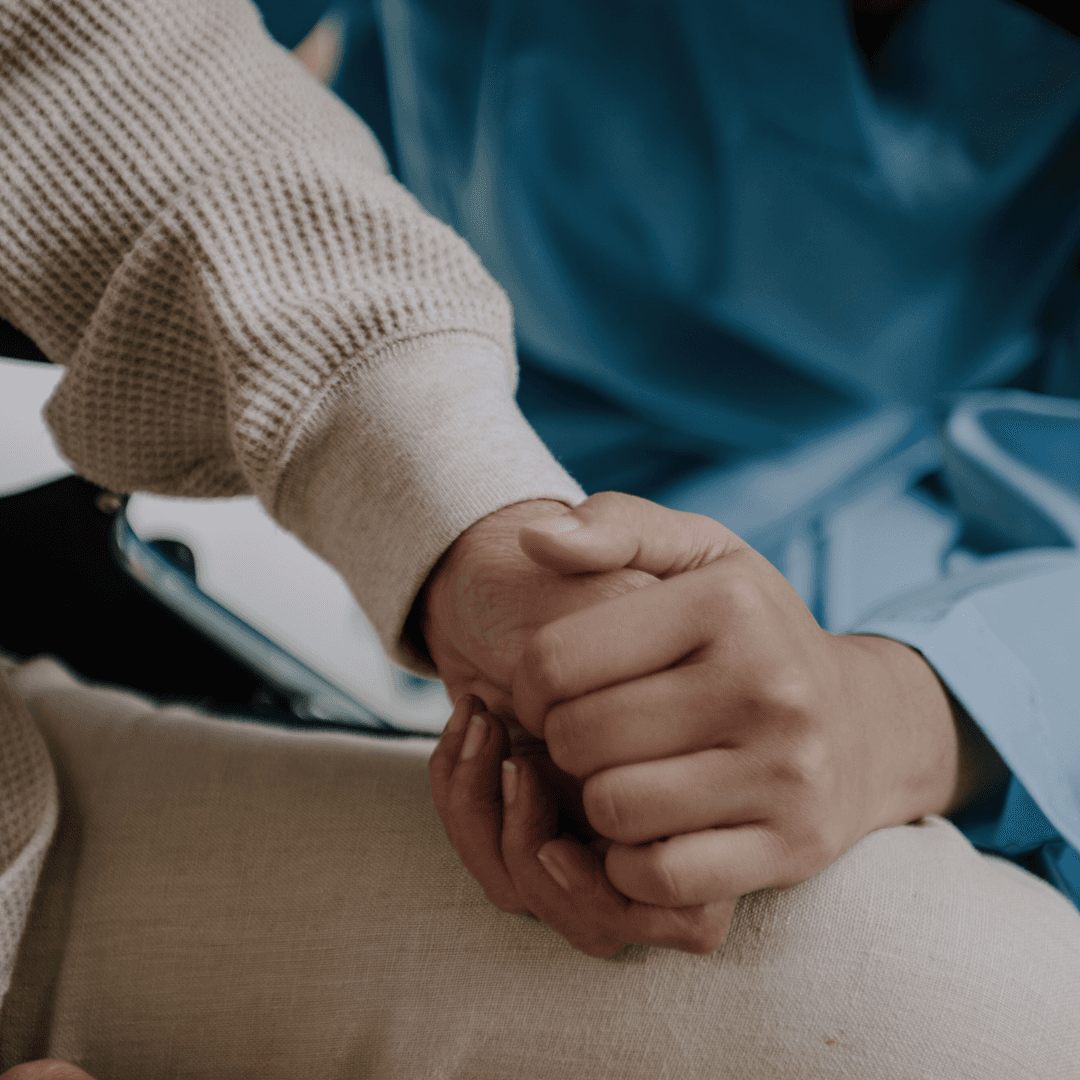
Pediatric hospice care is a tremendous force of empathy and compassion...
Life sometimes presents us with challenges that are not easy to understand or imagine, especially when they affect the youngest among us—children who, despite their young age, must face a serious illness.
Children’s hospices are places where love, care, and empathy become the most important tools in daily work, and their role extends far beyond medical care. It is a space full of hope, tenderness, and support that reminds us how important it is not only to be aware but also to be actively involved in helping those in need. Many factors contribute to the day-to-day reality of hospice care, including those described below.
- Empathy—the Heart of Caring for the Youngest
Empathy is the ability to put oneself in another person’s shoes, to feel their pain, joy, or fear. In a children’s hospice, empathy is the very foundation upon which all care is built. It is not merely about performing duties, but about genuine care and understanding for young patients who are often powerless in the face of illness. When volunteers or staff are able to see a situation through a child’s eyes, their actions become more loving and gentle, which brings immense relief and a sense of security.
- Health Education—The Key to Understanding and Support
Health education plays a key role in hospice care, for staff, families, and the community alike. Raising awareness about illnesses, treatment methods, and support options is essential for better understanding the needs of young patients and their loved ones. Thanks to this, the community can become more aware, empathetic, and ready to help. It is worth emphasizing that education is not only about knowledge but also a tool for building empathy and compassion, which teach us how to be better to others.
- Caring for others—a value that unites society
Caring for those most in need is not just an individual act, but the foundation for building a stronger, more supportive society. Care in a children’s hospice teaches us how important it is not to remain indifferent to the suffering of others. Every moment spent in conversation, a smile, a gentle touch, or time devoted to them translates into an improved quality of life for young patients and their families. Compassion is a bridge that connects us all and reminds us that together we can create a world full of understanding and love.
- Volunteering—the Power of Commitment and Hope
Volunteering at a children’s hospice is a unique way to make a difference that not only helps those in need but also brings immense satisfaction and personal growth. It is an opportunity to give of oneself to others, to share one’s time, warmth, and heart. Volunteers learn humility, patience, and selfless love, and their presence is often the greatest source of support—and even joy—for the children. The volunteers’ commitment is also proof that society can come together in the face of adversity and support those most in need.
Thanks to initiatives such as the volunteer efforts of the OliEdu Civic Education Foundation, we are shaping a society that is more compassionate and open to the needs of others. Joint activities strengthen social bonds, foster a culture of support, and teach us that each of us can make a difference in someone’s life—even the smallest gesture can become a ray of hope.
Let’s remember—even the smallest act of kindness has the immense power to give hope and save lives.