It is estimated that rare genetic diseases affect approximately 2–3 million people in Poland!
Given that genetic testing is not yet widespread or universally accessible, the actual number could be significantly higher...
Today, February 28, we celebrate Rare Disease Day. This day aims, among other things, to raise public and medical awareness of the challenges faced by people living with rare diseases.
This is an important date to discuss the need for:
- equal access to diagnostics,
- modern therapies,
- comprehensive support for patients and their families.
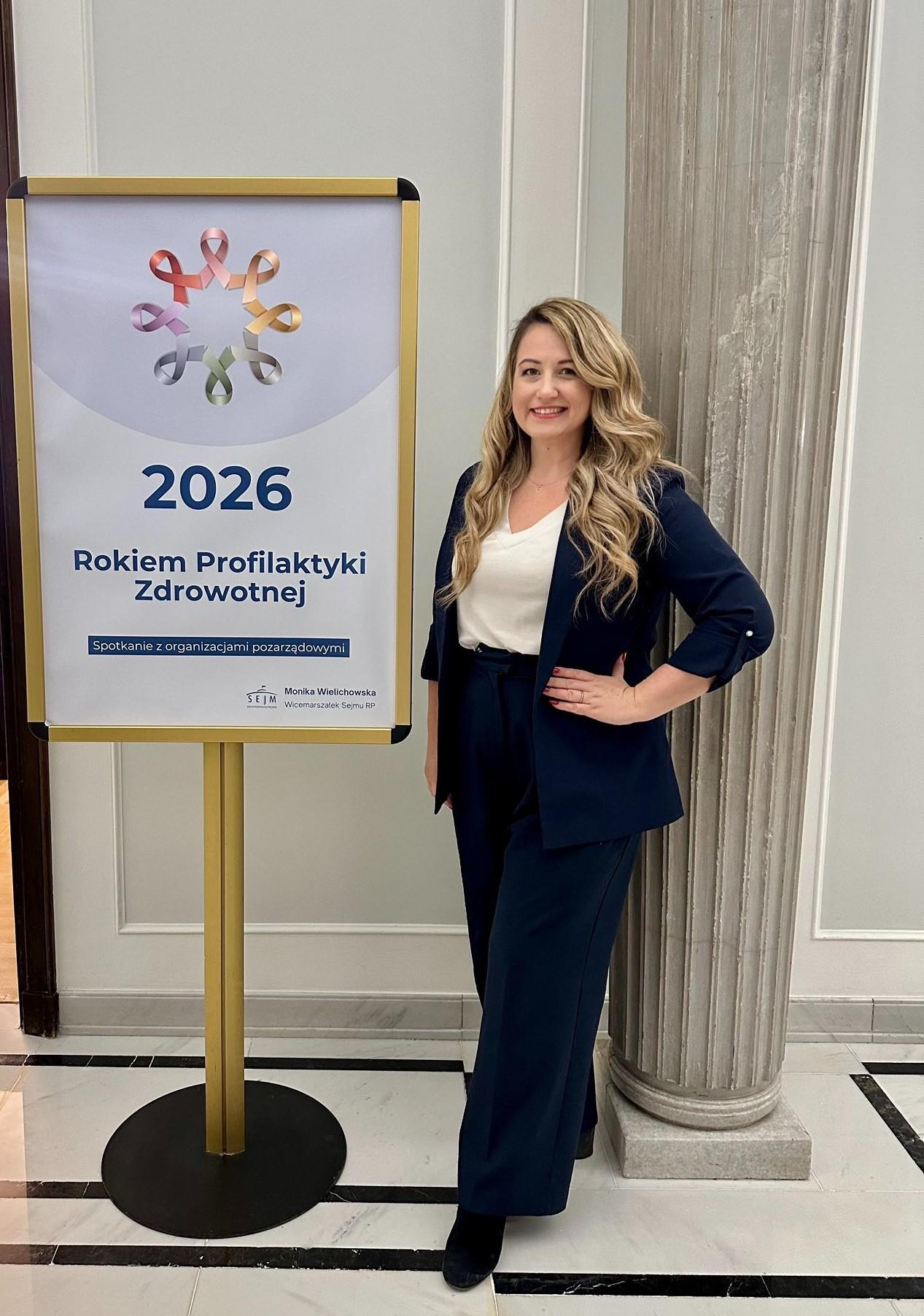
The year 2026 has been declared the Year of Preventive Healthcare on the initiative of Monika Wielichowska, Marshal of the Sejm of the Republic of Poland—and this is an extremely important topic for everyone and definitely our area of focus! Health is the guarantee of happiness, quality of life, and personal development.
On this special day, we would like to remind you that during a meeting at the Sejm of the Republic of Poland, Ewa Daros, President of the OliEdu Foundation, took the floor at a meeting in the Sejm of the Republic of Poland, emphasizing that the priority for the coming year should be to strengthen preventive and educational efforts and to ensure greater access to modern diagnostics, including genetic testing, especially for people planning to start a family.
Every social group deserves equal access to medicine, information, and treatment, yet people affected by genetic diseases—especially rare or so-called “ultra-rare” ones—are often marginalized.
It is particularly important to educate the public and raise awareness about the importance of genetic testing in family planning, as well as to highlight the real challenges faced by people who are carriers of genetic mutations.
Early diagnosis is not only an opportunity for faster treatment but often a real chance to prevent complications and make informed health decisions.
On Rare Disease Day, we remind everyone of the importance of supporting patients affected by genetic diseases and appeal to the Ministry of Health: prevention, knowledge, and social solidarity have tremendous power. In 2026, we will be working even harder—for the health of current and future generations.