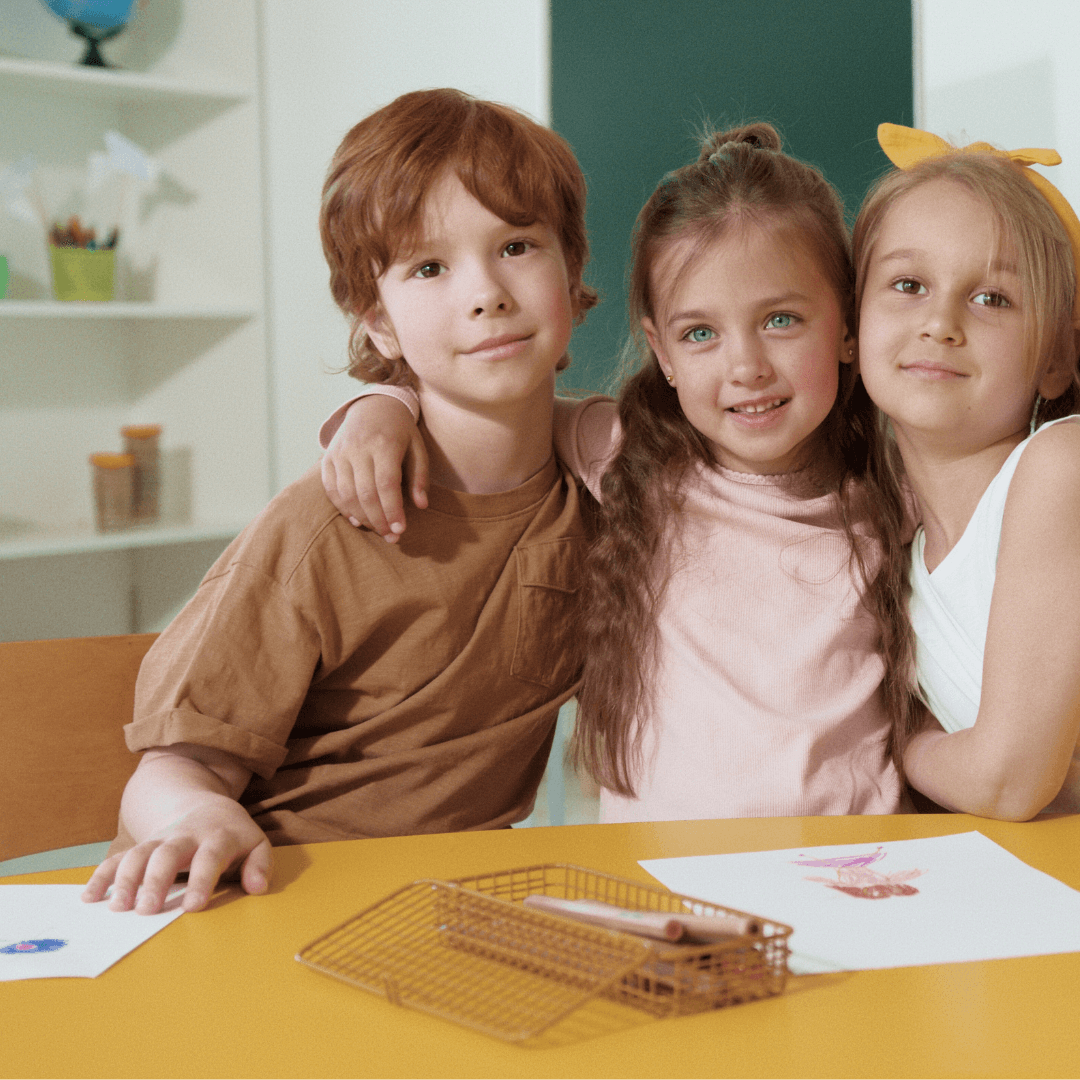
Unfortunately, relationships between children often don’t look like the picture above...
Today, September 1, as children and teens return to school, it’s worth remembering that peer violence is a problem affecting more and more young people. Whether it takes the form of physical, verbal, or cyberbullying, or social exclusion—its effects are profound and long-lasting.
They affect not only the victims, but also the perpetrators, witnesses, and the entire school community. That is why it is so important that we—as a community, parents, teachers, and young people—work together to combat violence and create a safe, supportive environment in schools. Education, open dialogue, and preventive measures are crucial!
- Education plays an extremely important role in combating peer violence. It is in schools that we should teach young people how to recognize, stand up against, and prevent violence. Educational programs and workshops on empathy, assertiveness, and interpersonal communication help young people understand how important it is to care for others. During these sessions, we learn how to listen, how to express our emotions, and how to respond when someone is being harmed. It is essential that young people feel they have a real impact on their surroundings and can be agents of positive change.
- Empathy is invaluable in all of this. It is thanks to empathy that we can put ourselves in another person’s shoes, understand their pain and fear, and thereby counteract violence. Building empathy among students is a process that requires systematic work, dialogue, and openness. Social media, while it can sometimes be a source of danger, also has the potential to spread positive content and promote mutual respect and support. Educational campaigns, inspiring stories, and examples of mutual aid can reach young people faster and more effectively than ever before.
- Workshops and meetings are an important part of the fight against violence, providing opportunities for young people to share their experiences, ask questions, and learn from one another. These meetings help build bonds, develop listening skills, and strengthen a sense of community. They also enable teachers and parents to better understand the challenges their students face and to develop effective support strategies.
Each of us has a responsibility to ensure that the learning environment is marked by acceptance, respect, and understanding. This is not only a task for teachers and parents, but also for every student. Raising awareness and providing education in this area are crucial for changing mindsets and fostering a culture where violence has no place!
The OliEdu Foundation for Civic Education actively supports these efforts, including through training for volunteers, because caring for others is the foundation upon which a healthy and safe school community is built.
We must not forget that effectively combating peer violence requires cooperation among schools, non-governmental organizations, the media, and young people themselves. Social media, while sometimes a source of risks, can also serve as a platform for promoting positive values and combating violence. Joint efforts, awareness and educational campaigns, as well as psychological support for victims and perpetrators, are essential in building a safer world for young people.