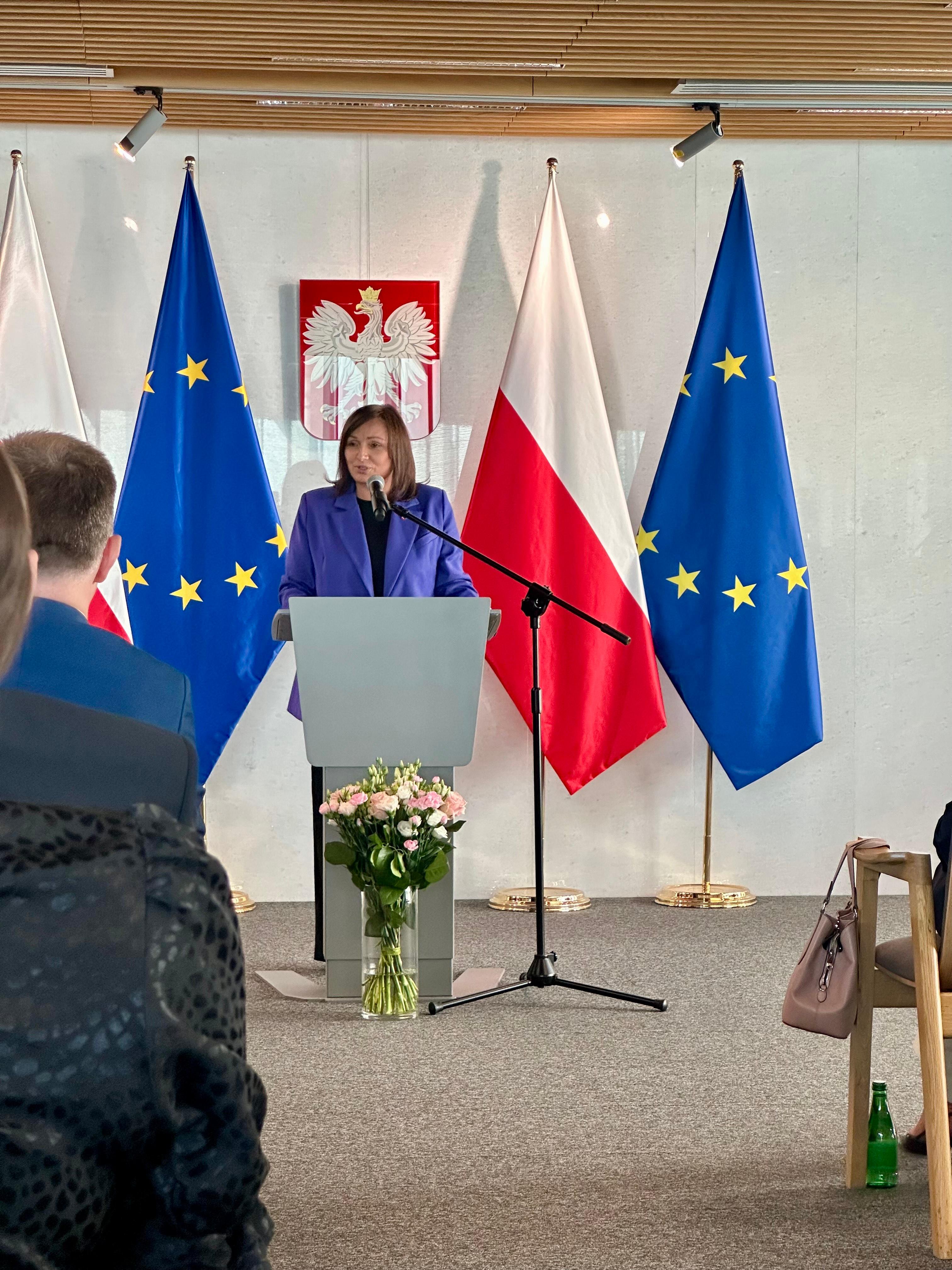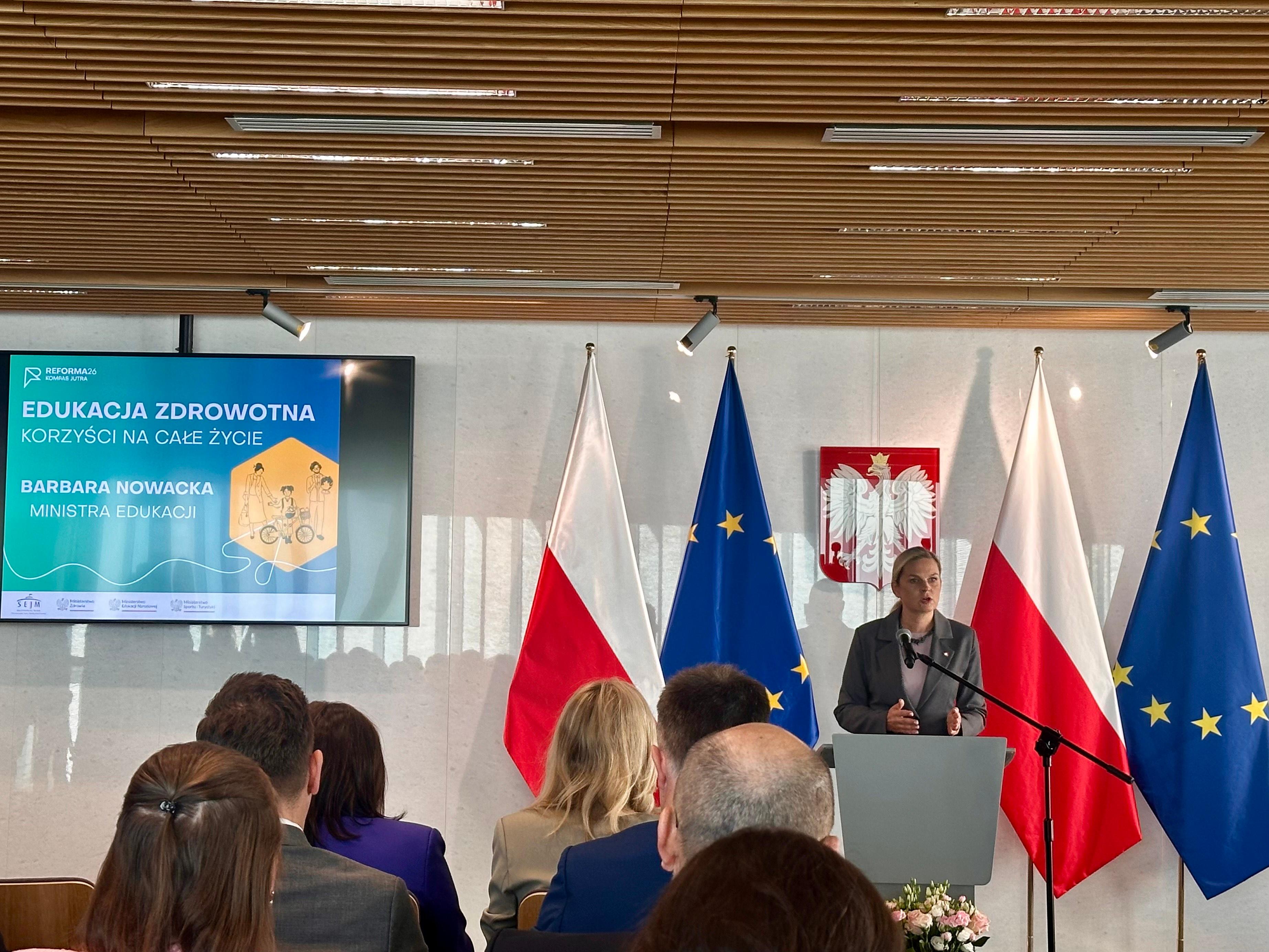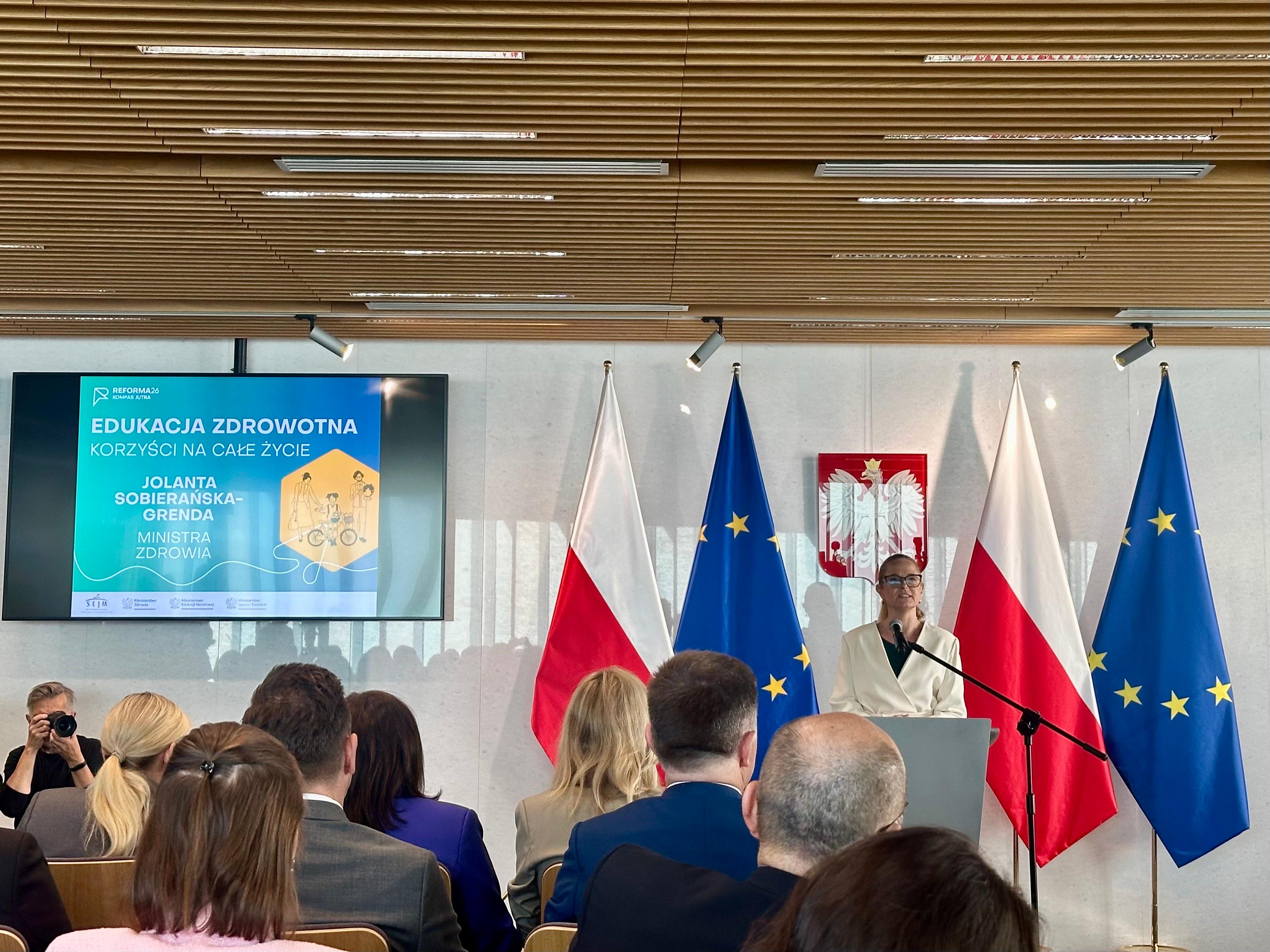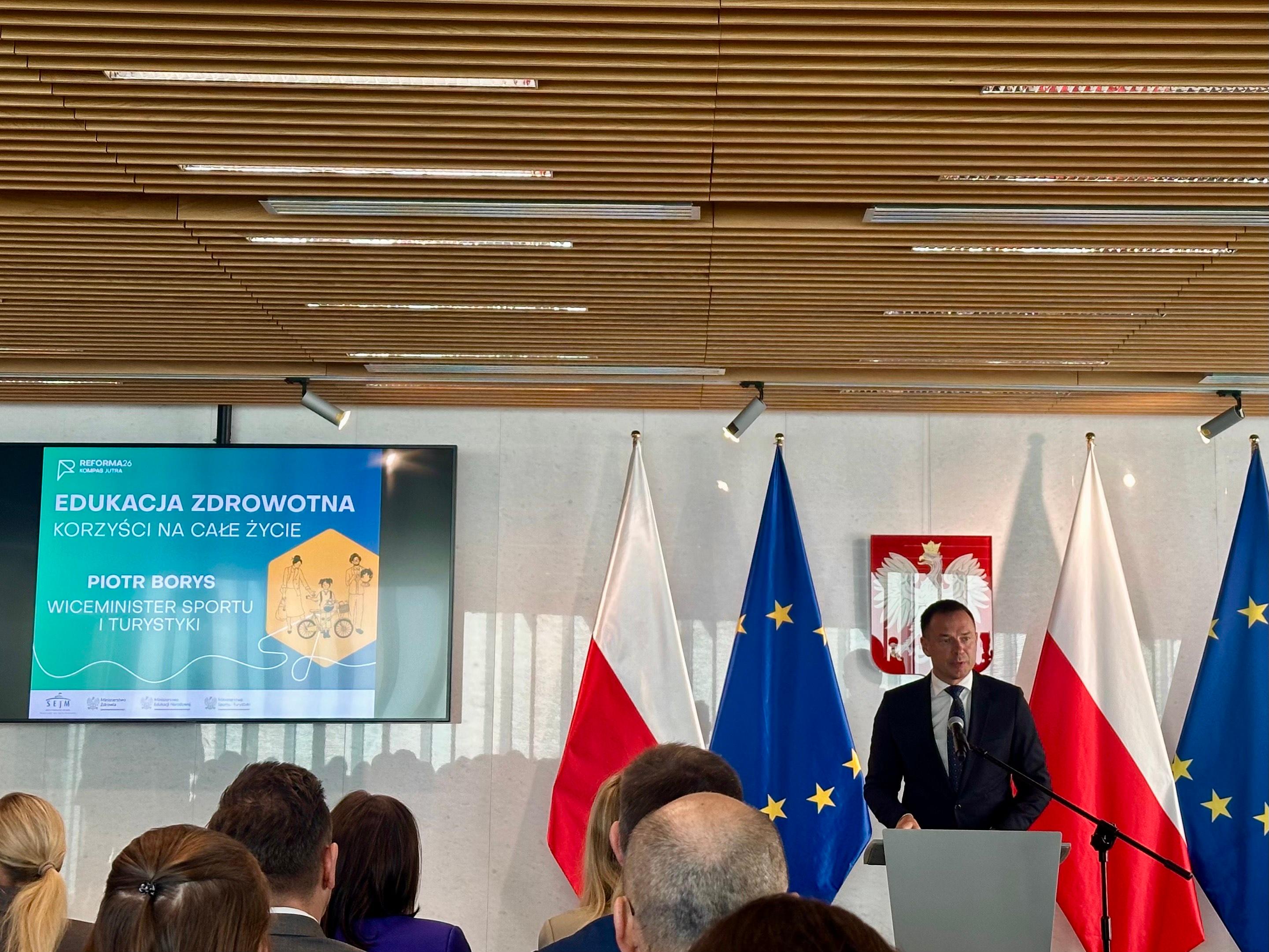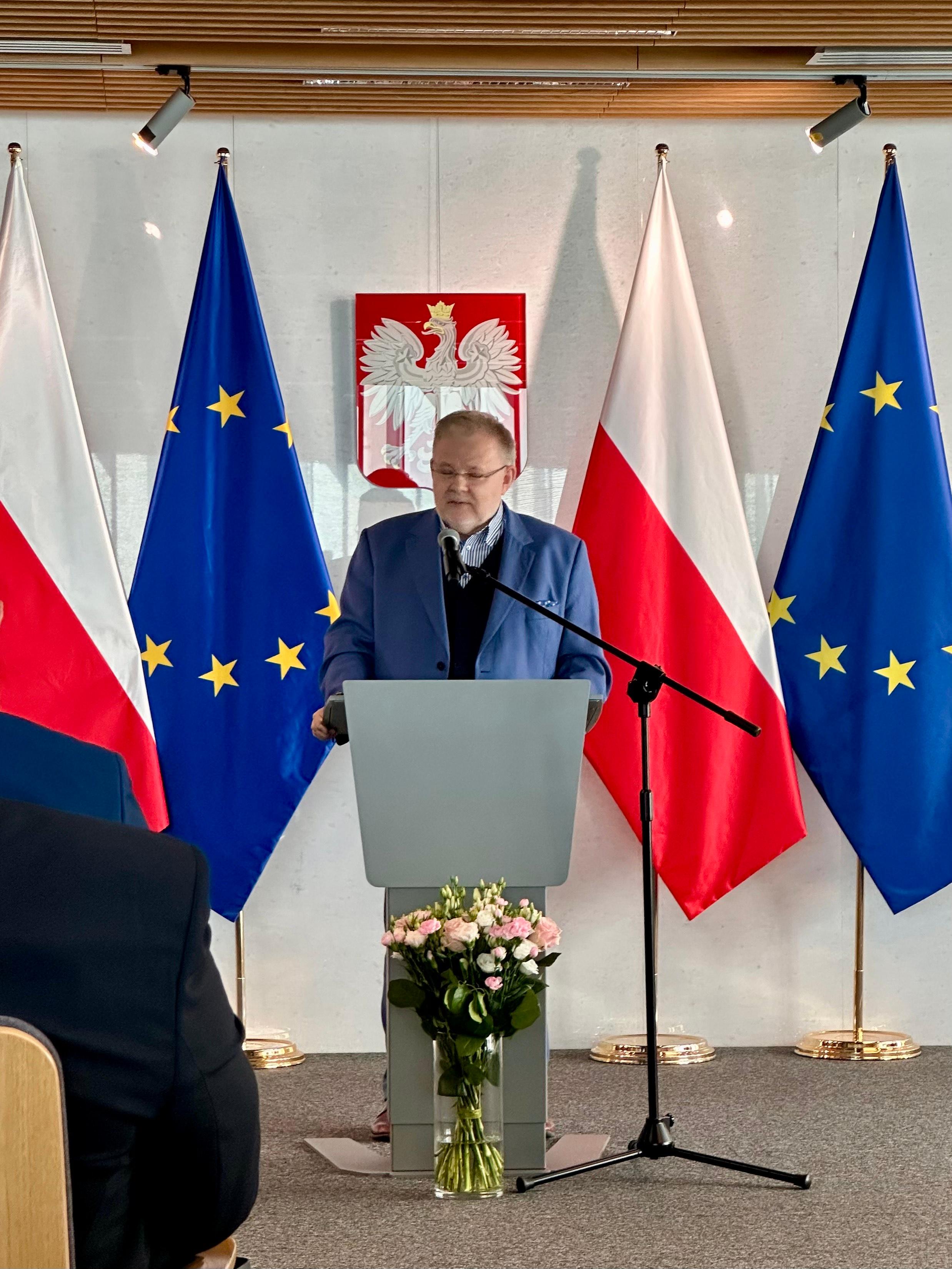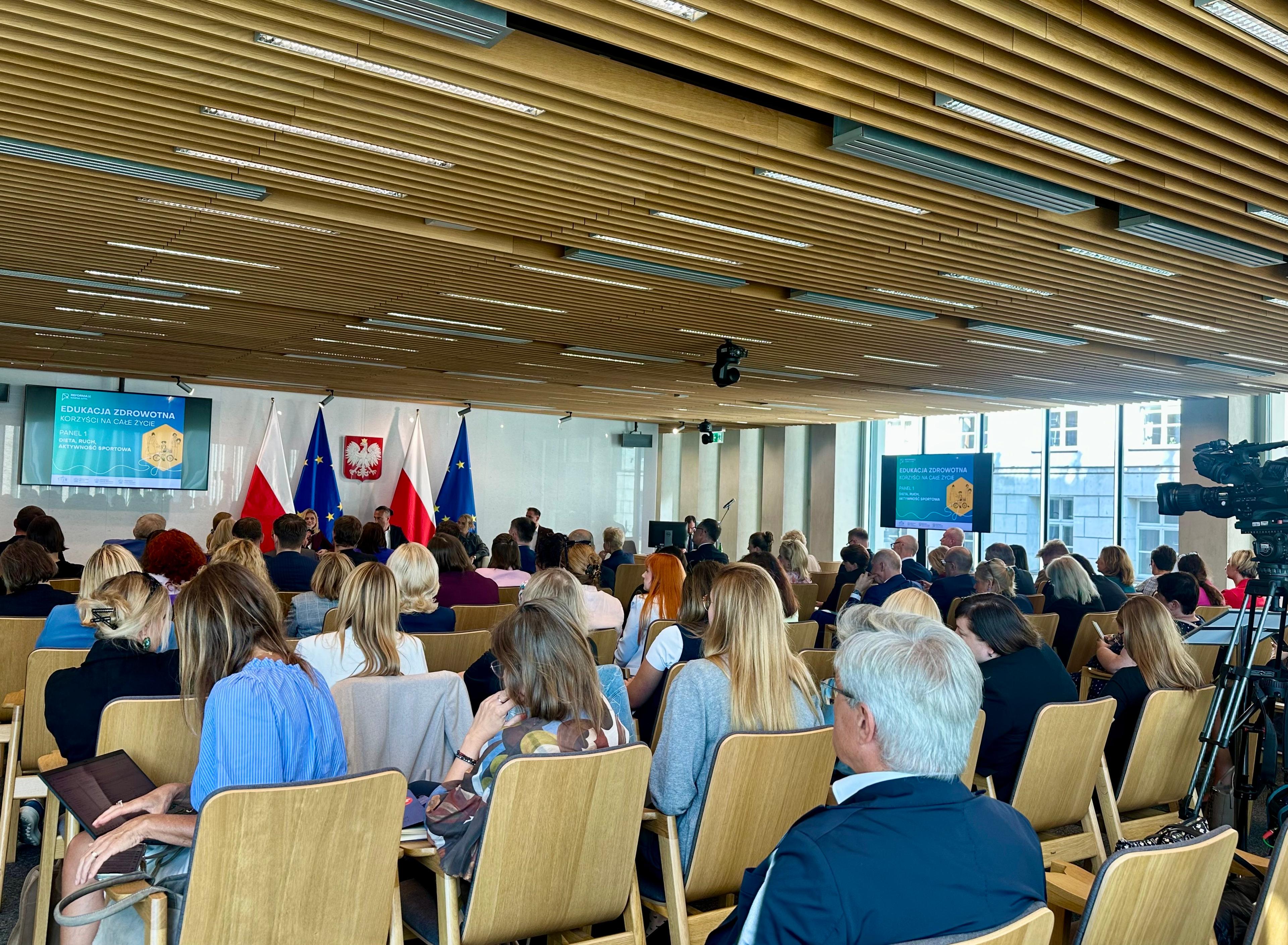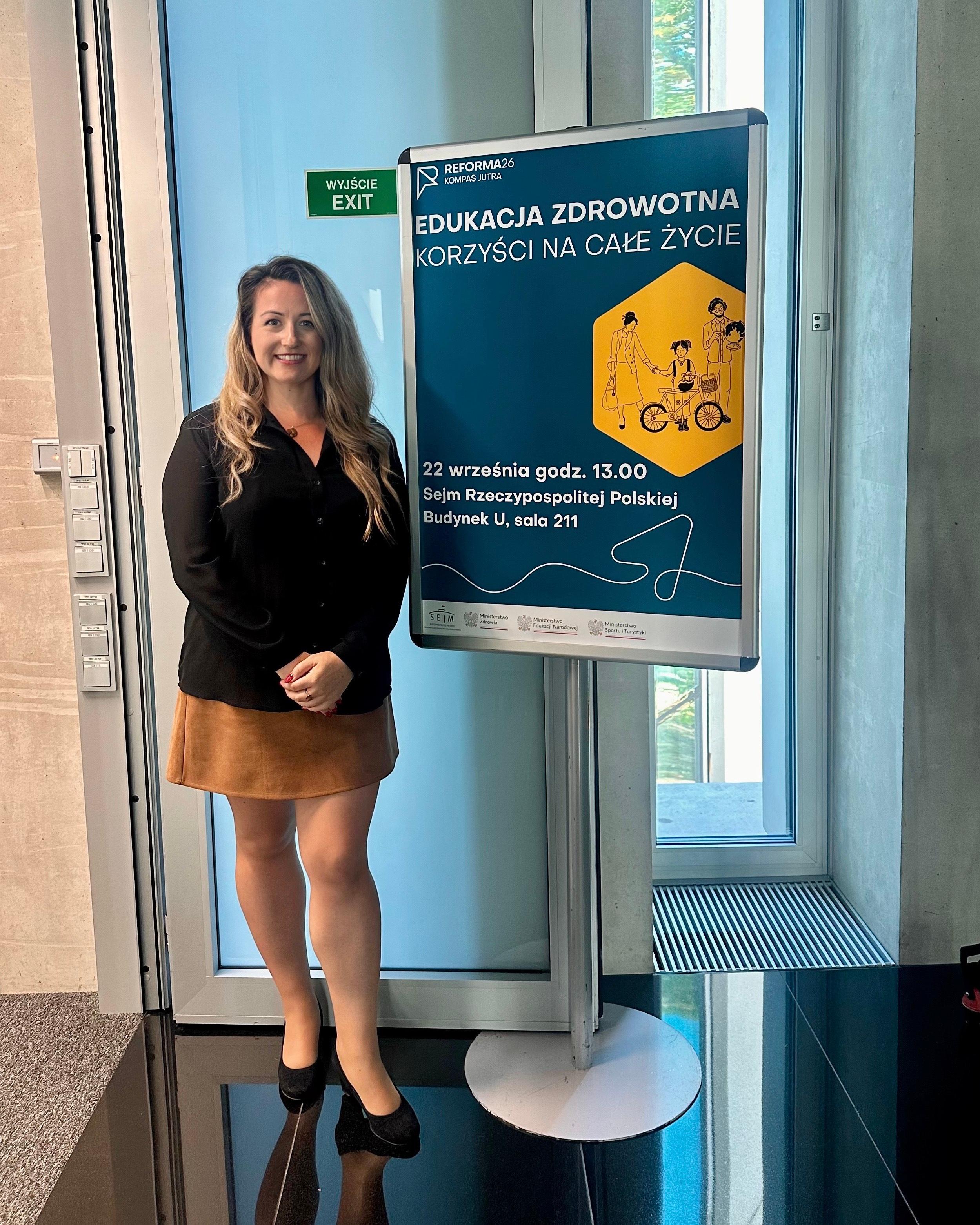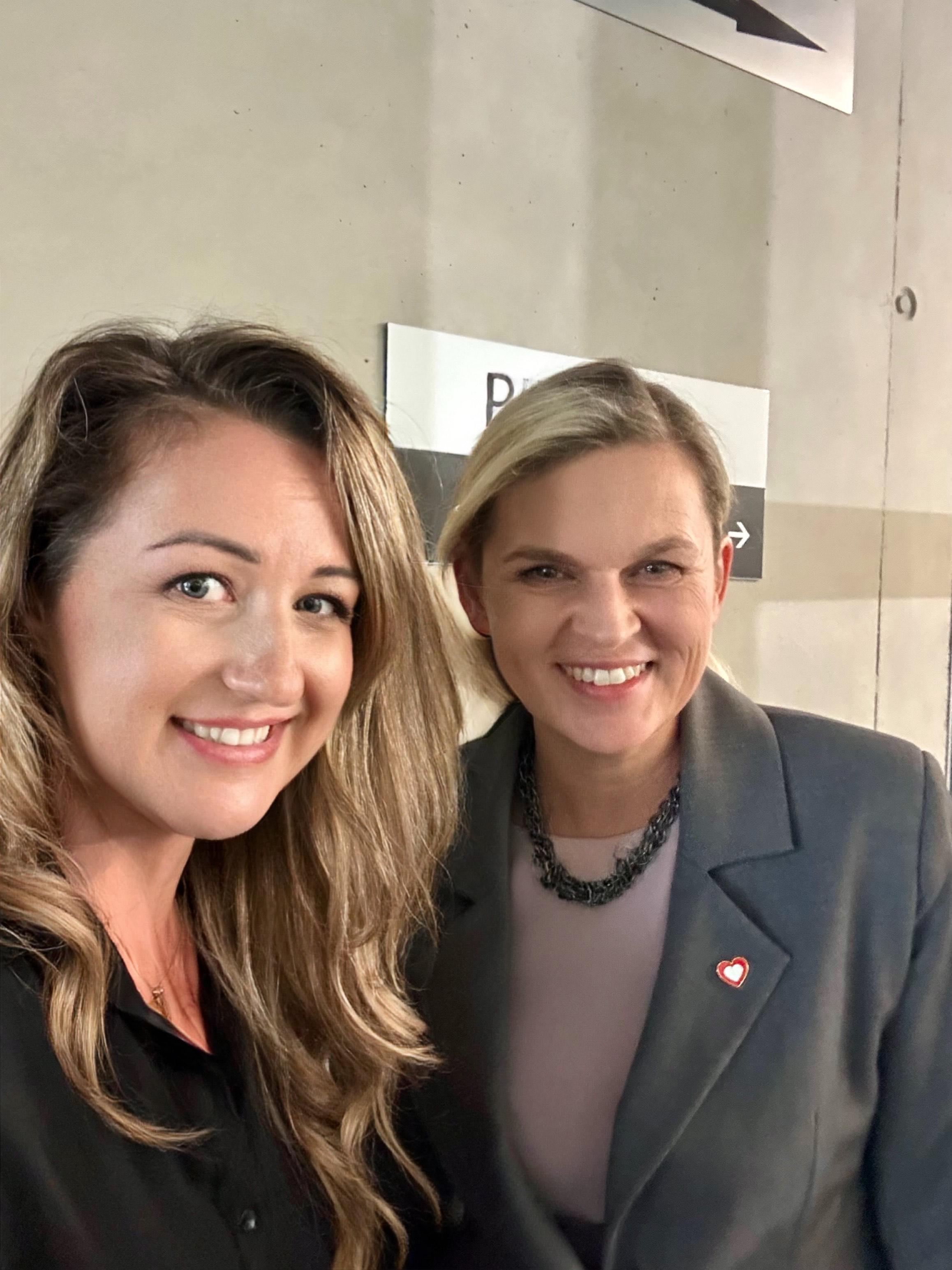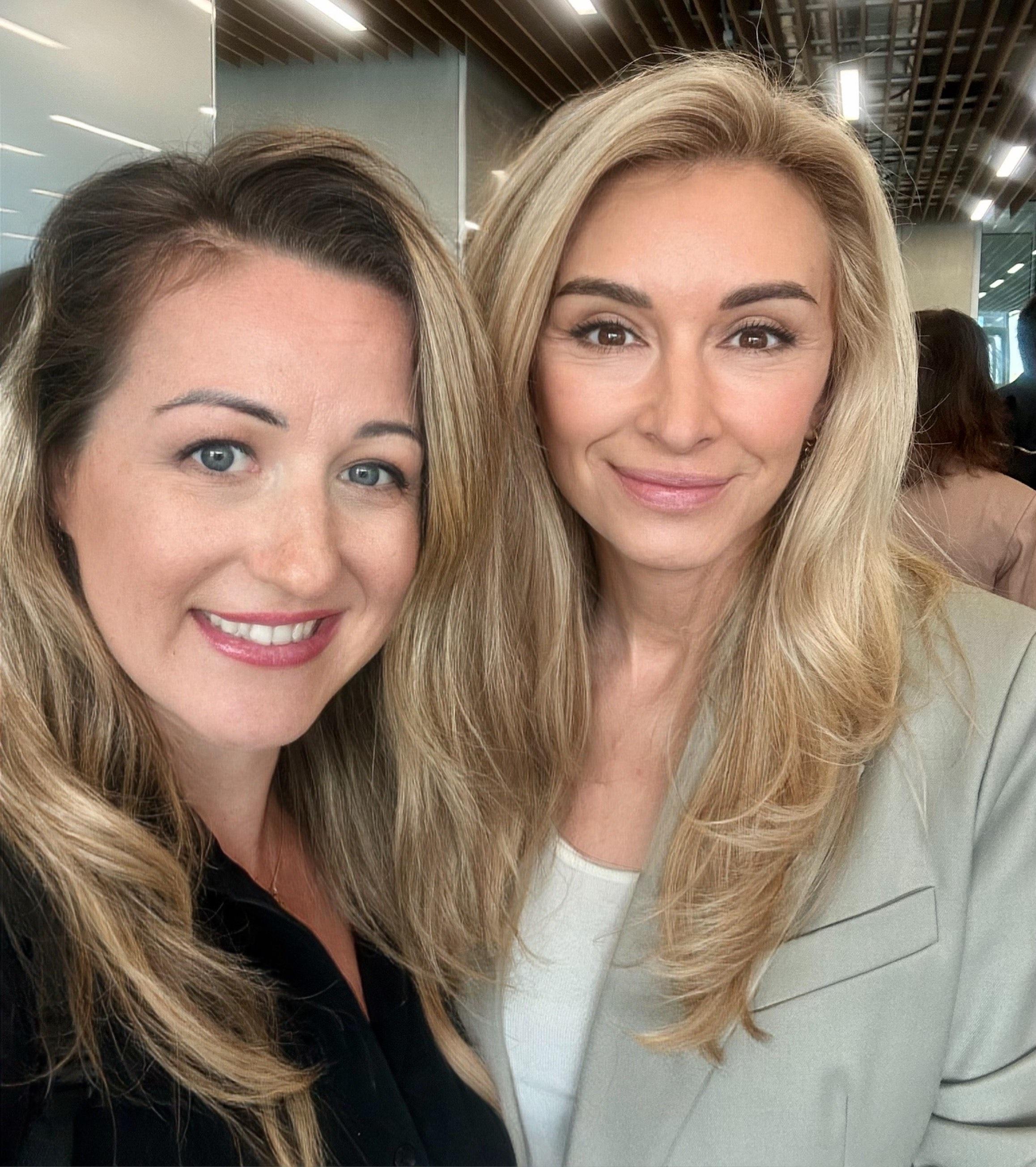
On September 22, 2025, a conference titled “Health Education—Benefits for Life” was held at the Sejm of the Republic of Poland.
The event brought together experts from various fields—school superintendents, teachers, local government officials, athletes, and practitioners. This meeting was not only a discussion about a new subject in Polish schools, but above all an expression of support for the idea that thorough health education is the foundation of prevention and the long-term well-being of young people. In recent days, there has been much talk about plans to introduce a new health-focused subject in Polish schools. Statements from experts, local government officials, and politicians paint a picture of a program aimed not only at imparting reliable health knowledge but also at fostering responsible attitudes, developing skills for navigating the digital world, and building relationships. Here are the key takeaways from the debate and what they may mean for future generations.
What did key figures say during the conference?
- Monika Wielichowska, Deputy Speaker of the Sejm and the conference’s initiator, opened the event with a powerful message: health is the foundation of development, safety, and everyday well-being. Health education is not a luxury but a daily necessity—and modern schools must address the emotions, physical needs, and questions of young people.
- Health as the Foundation of Social Life—Minister of Education Barbara Nowacka pointed out that children’s health and safety have not been adequately prioritized in recent years. The new health education program is intended to address this gap: it aims to prepare young people for social life, teach them to take care of themselves, understand the consequences of substance use, and approach the world of digital relationships and challenges with an open mind. This isn’t an ideal; it’s a concrete tool to help young people make informed decisions.
- Kataryna Kęcka, Deputy Minister of Health, emphasized that thorough health education based on scientific evidence is one of the most effective tools for prevention. It is an investment in the health, safety, and future of the younger generation.
- A healthy generation as the norm, free of political barriers—Deputy Minister of Sport and Tourism Piotr Borys emphasized that fostering an informed and healthy generation should become a shared norm—regardless of political differences. This means that youth health should not be a source of contention, but rather a shared goal toward which we all strive together—parents, teachers, local government officials, and experts.
- Evidence-Based Prevention and Education – Prof. Zbigniew Izdebski noted that the healthcare system in Poland presents challenges for students, and health education is meant to help them navigate it. It is not just about moralizing, but about implementing effective prevention—the same principle that guides new prevention programs today is also reflected in educational priorities.
The program included topics such as mental health, physical activity and diet, preventive medicine, and the practical implementation of the new subject in schools. Speakers included Mariusz Wlazły (world champion in volleyball), Agnieszka Kobus-Zawojska (rower and Olympic medalist), Martyna Wojciechowska (journalist), Prof. Zbigniew Izdebski, and Aleksandra Lewandowska (national consultant in child and adolescent psychiatry).
The Deputy Speaker of the Sejm emphasized that health literacy impacts the safety and quality of life of young people. During the panel discussions, experts addressed the practical aspects of organizing classes in schools and the tangible benefits of health education.
- Diet, Exercise, and Physical Activity—The Foundations of Healthy Habits The first panel, dedicated to diet, exercise, and sports activities, highlighted the importance of daily activity and healthy habits from an early age. Experts point out that physical activity not only builds the body but also affects mental health, concentration, and well-being. In practice, the goal is for young people to understand why they exercise and how to maintain a balance between enjoyment and responsibility for their own bodies. Education without bans, with choices and consequences—Milena Nosek, a clinical dietitian, puts it plainly: the effectiveness of health education lies in showing choices and their consequences. It’s not about boring rules, but about making informed decisions, the ability to read labels, moderation, and recognizing the risks associated with so-called “recreational foods.” This approach is designed to help young people develop a healthy attitude toward food and lifestyle.
- Mental Health, Relationships, and Online Safety—the second panel addressed the topics of mental health, adolescence, and cybersecurity. Experts emphasized the need for reliable information about emotions, building relationships, and combating cyberbullying. Antonina Kopyt, co-author of the core curriculum, drew attention to the phenomenon of sexualization in the media and the challenges arising from sexual pressure online—health education is meant to serve as a protective shield for young people, helping them confront manipulation and pressure. Scientific Evidence as the Core of Knowledge Aleksandra Lewandowska, a national consultant in the field of child psychiatry, emphasized that the content taught in classes should be based on scientific evidence. International scientific societies indicate that integrating prevention into health education is the most effective tool for preventing mental disorders among adolescents. This supports the message that health is not only the absence of disease, but also good habits and social skills.
- Prevention, Vaccinations, and Public Education The third panel focused on prevention and the role of vaccinations. Experts emphasized the importance of early diagnosis and raising health awareness among the public. Prevention is the foundation of public health—we do not focus solely on treatment, but on preventing problems before they arise.
- Implementation—Practical Challenges and Opportunities The final part of the conference addressed the practical aspects of introducing a new subject into schools. Principals, teachers, and school superintendents shared their experiences, highlighting both opportunities and organizational challenges. Among these is the need for better coordination between subjects so that knowledge is not scattered but unified by a single, coherent educational vision.
Why is this important for all of us?
- The new health education has the potential to bring together various fields—from biology to civics—creating a cohesive picture of health, relationships, and responsibility.
- Adults should empower young people to use tools for taking care of their own health, rather than restricting them through prohibitions.
- Evidence-based knowledge and practical skills (reading labels, assessing risks, online safety) are real competencies that young people will be able to apply in their daily lives.
The introduction of a new health course presents an opportunity to revitalize the dialogue on health, education, and growing up safely. It also poses a challenge for schools and the entire system to coordinate content from various disciplines and translate it into practical skills. If, despite our differences, we can focus on a plan that’s good for young people, the health of future generations will become a shared priority—regardless of who is in power.
Is it worth supporting this approach now? Yes, because healthy children mean a strong society. Health education, based on research and empathy, can be one of the most important tools in building such a society.