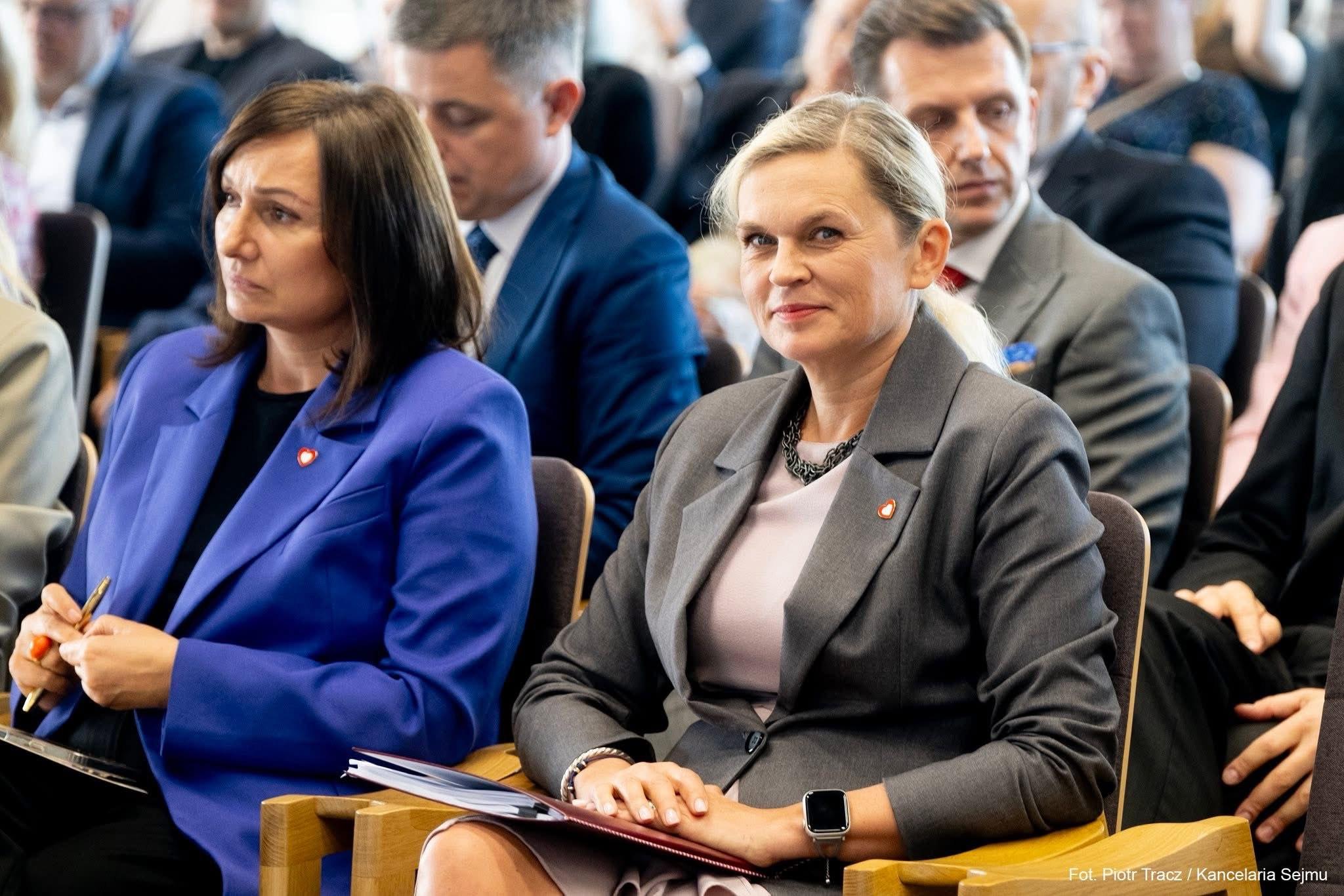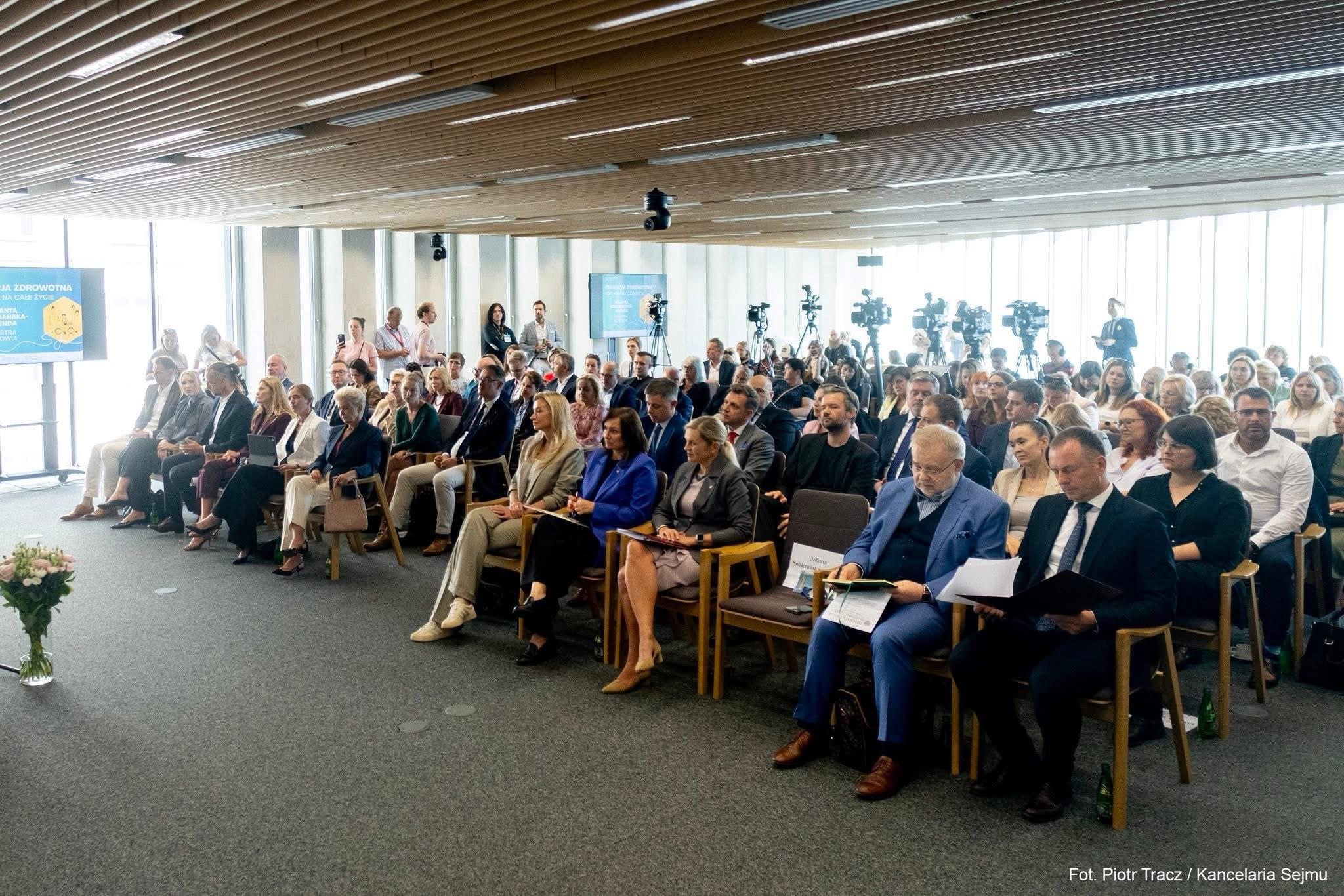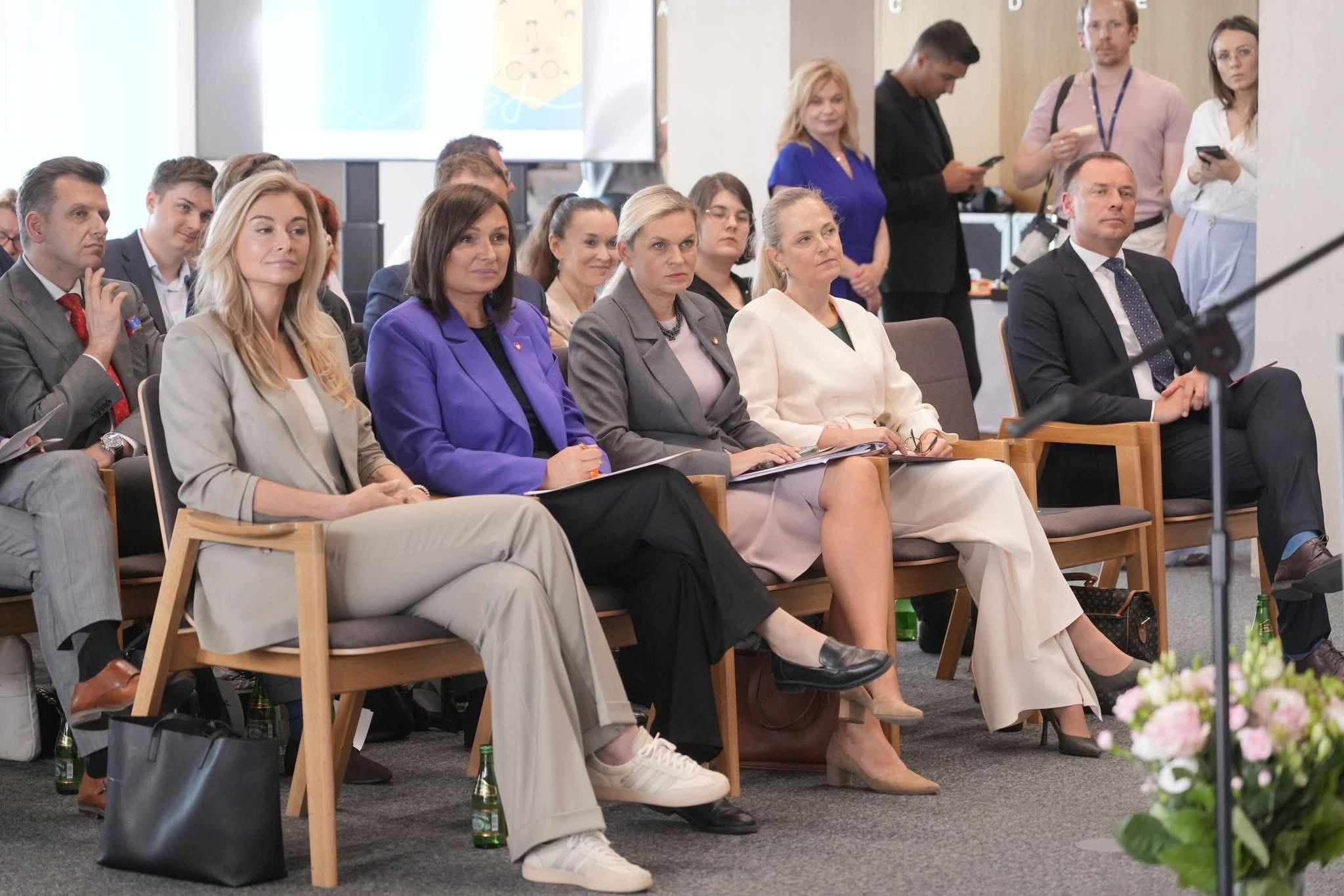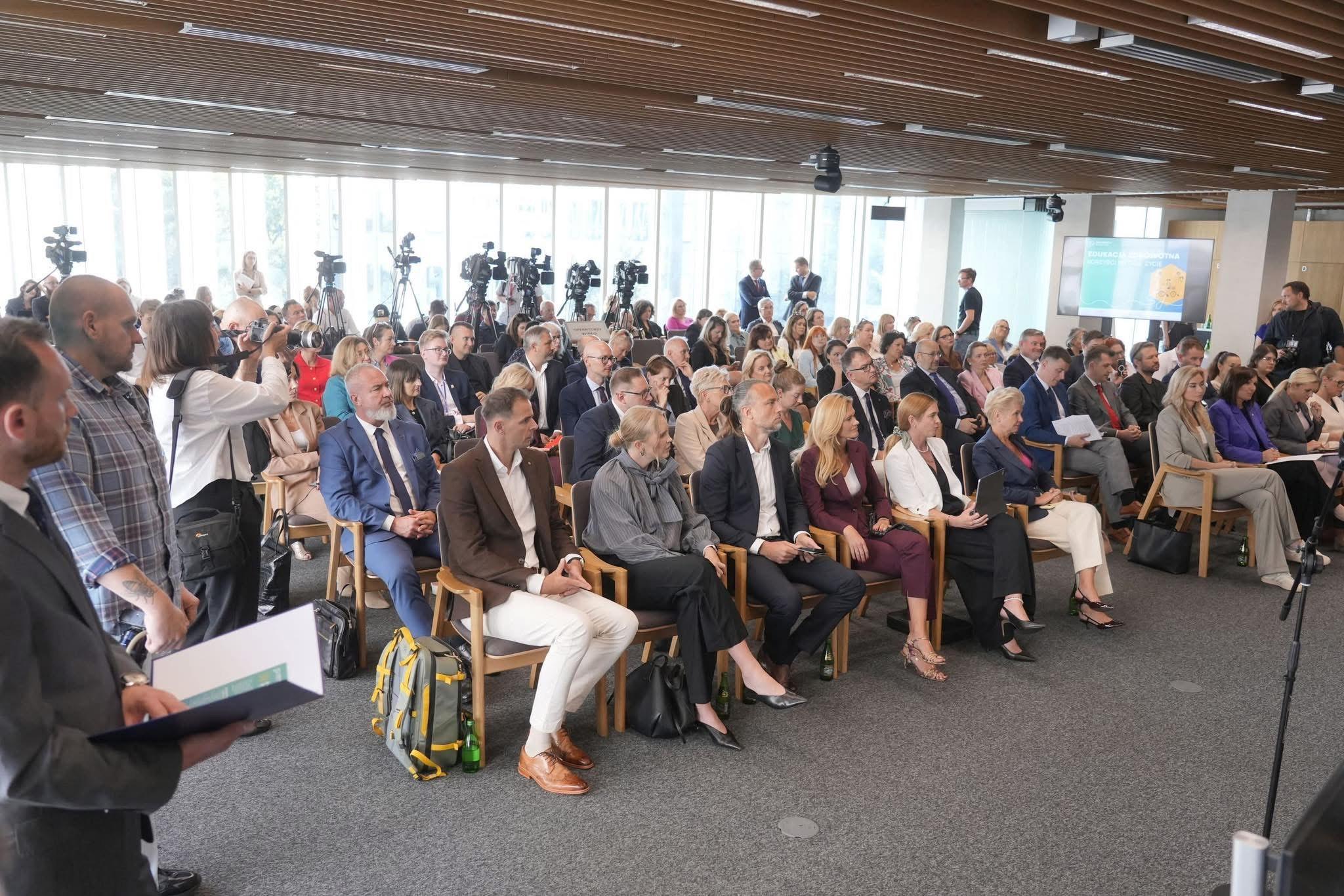
The Role of Health Education – Why Is It So Important for Students and Their Parents?
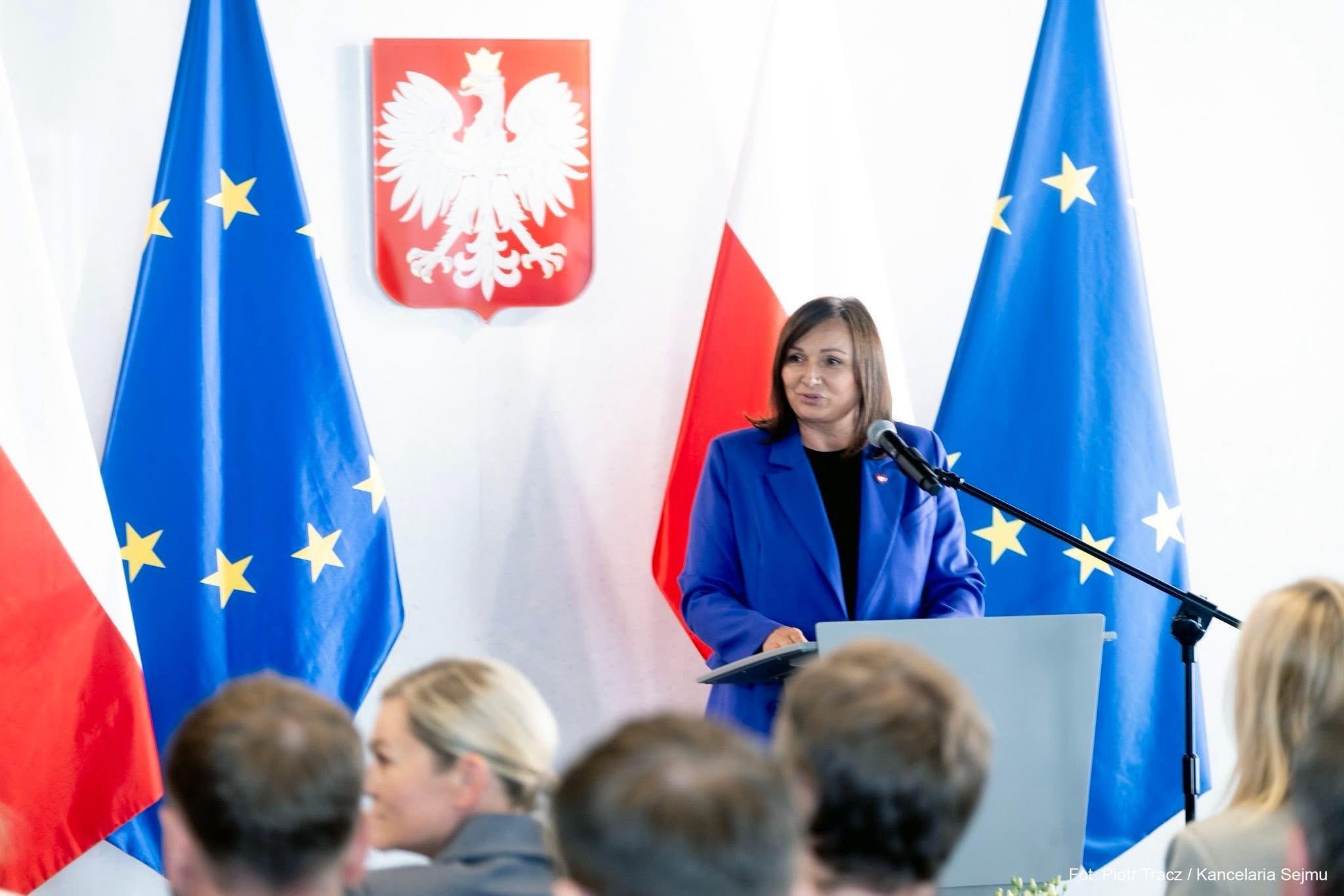
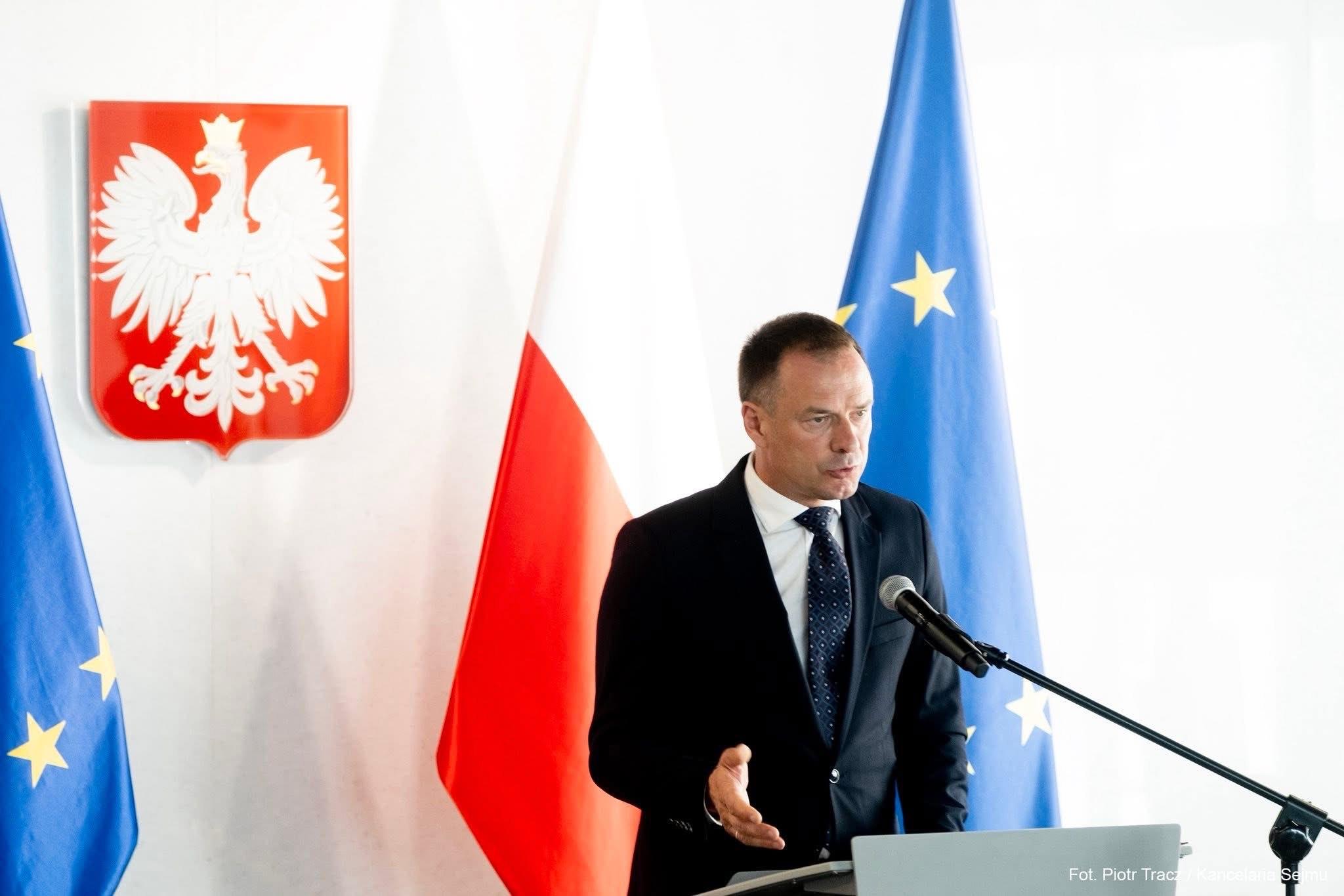
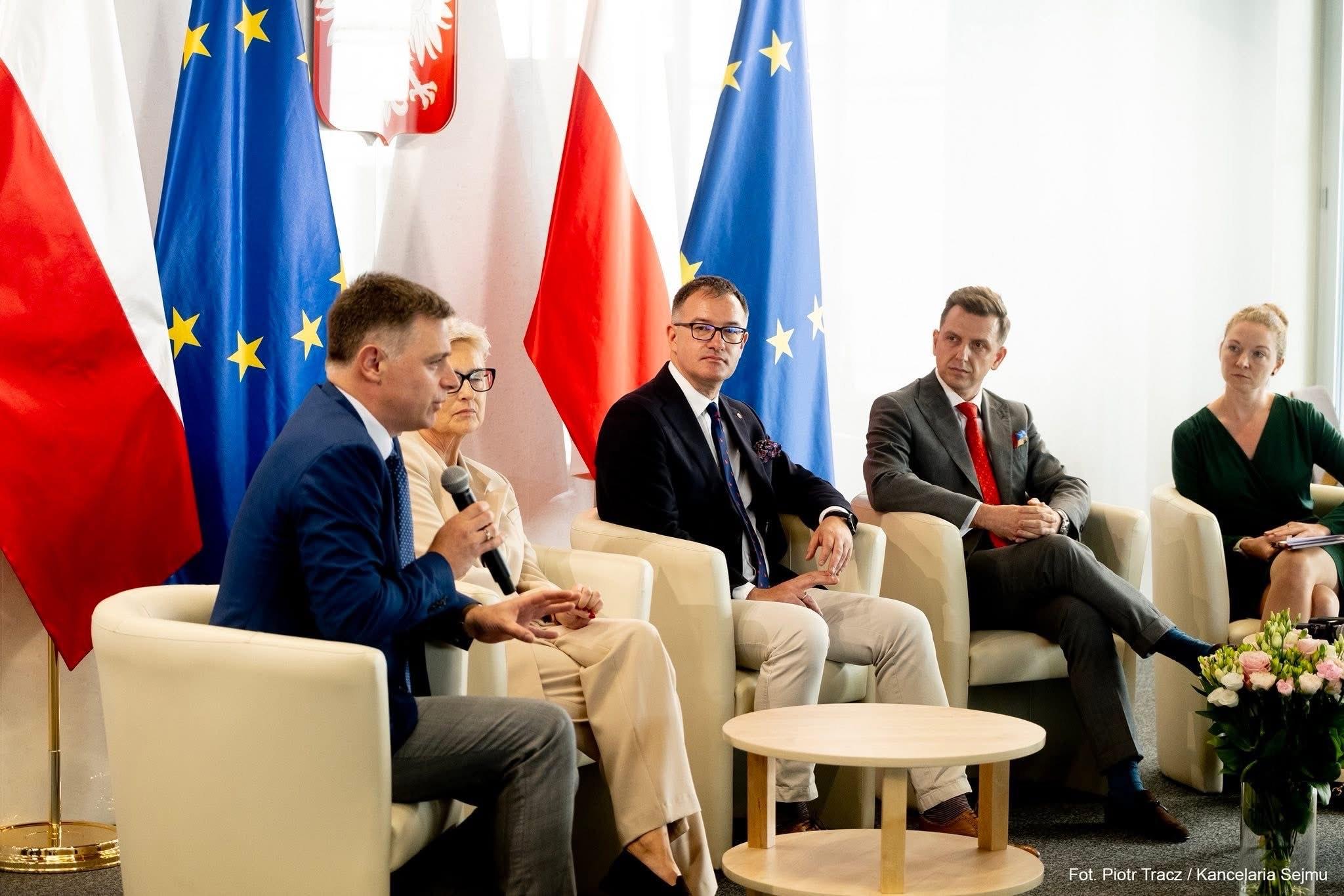
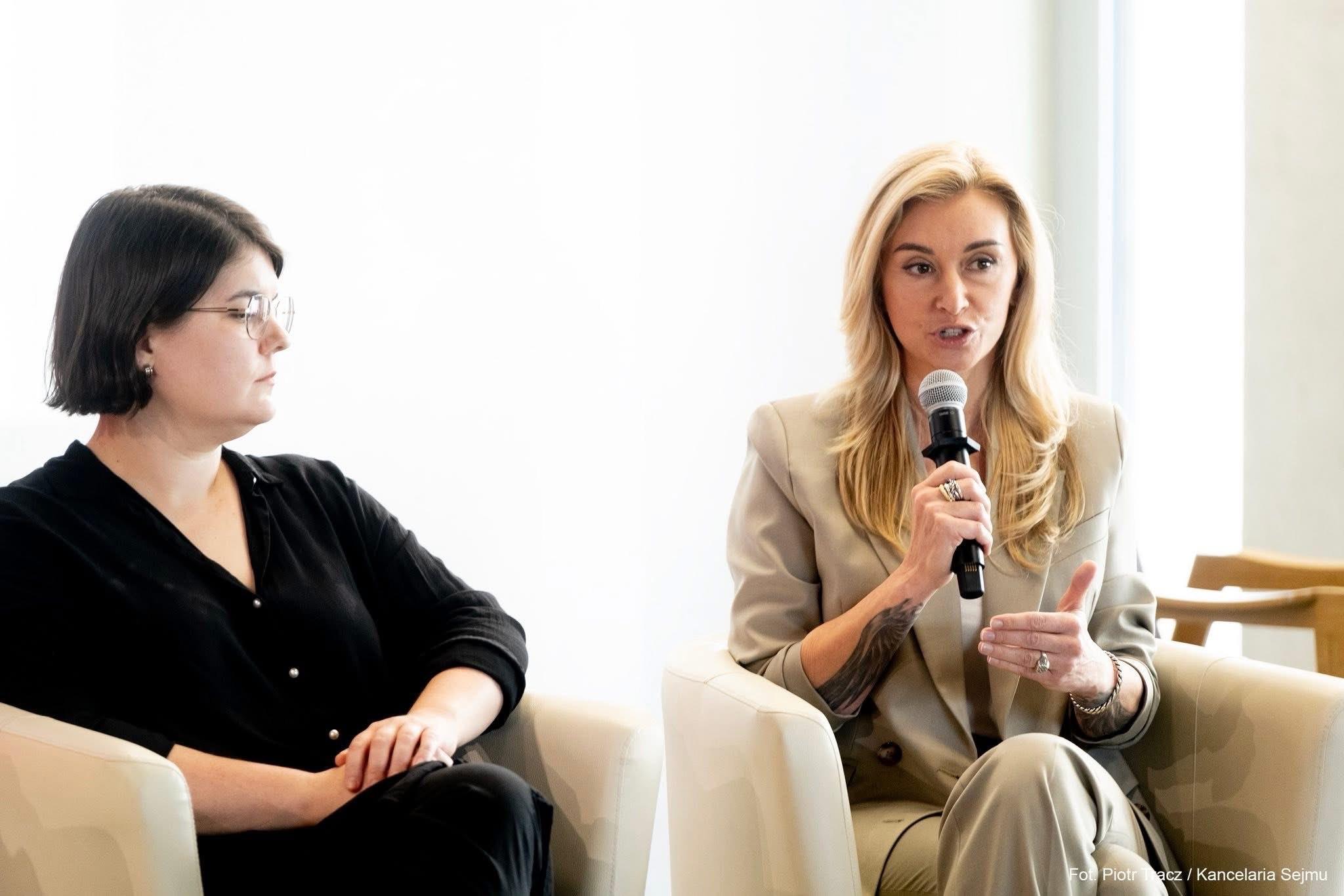
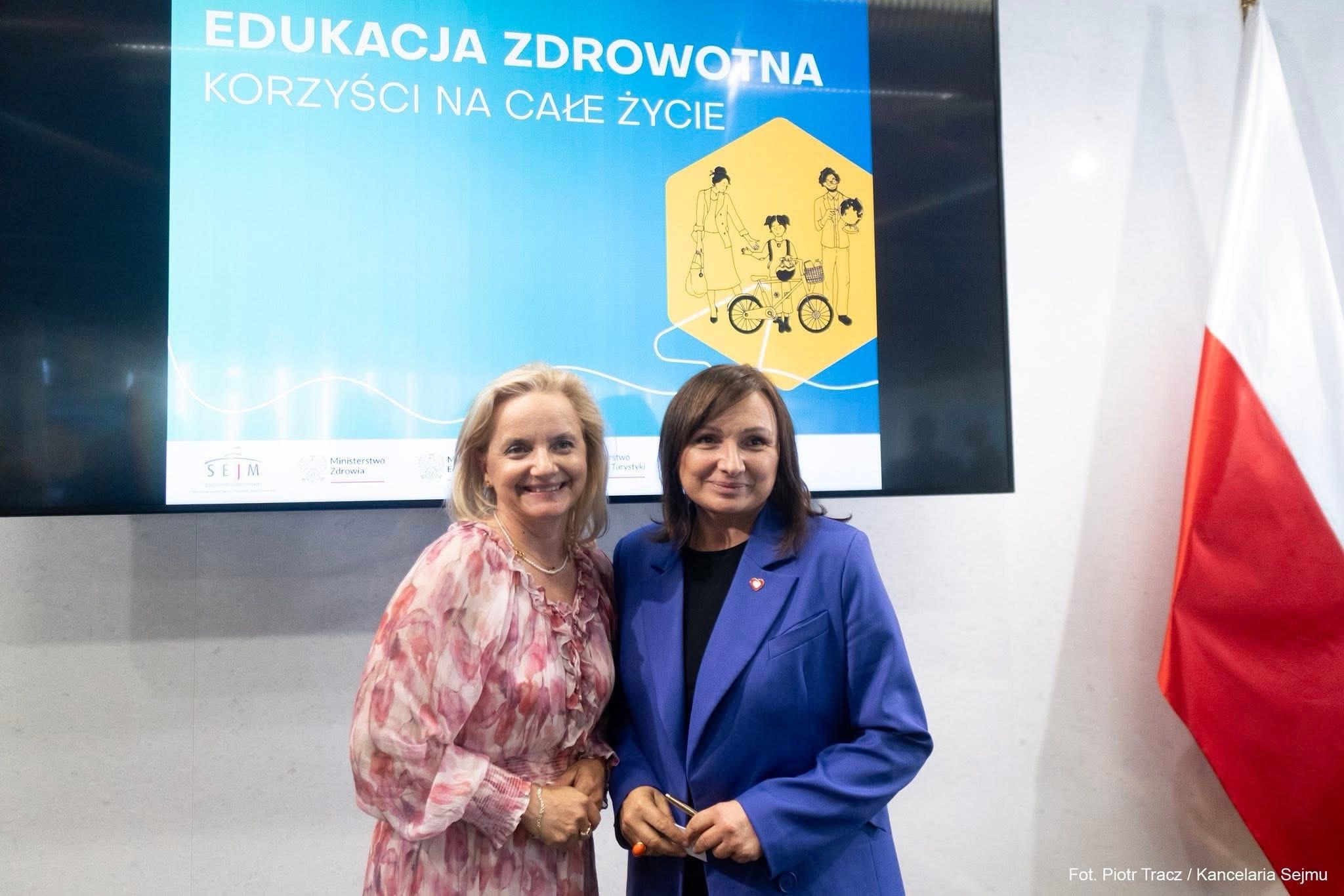
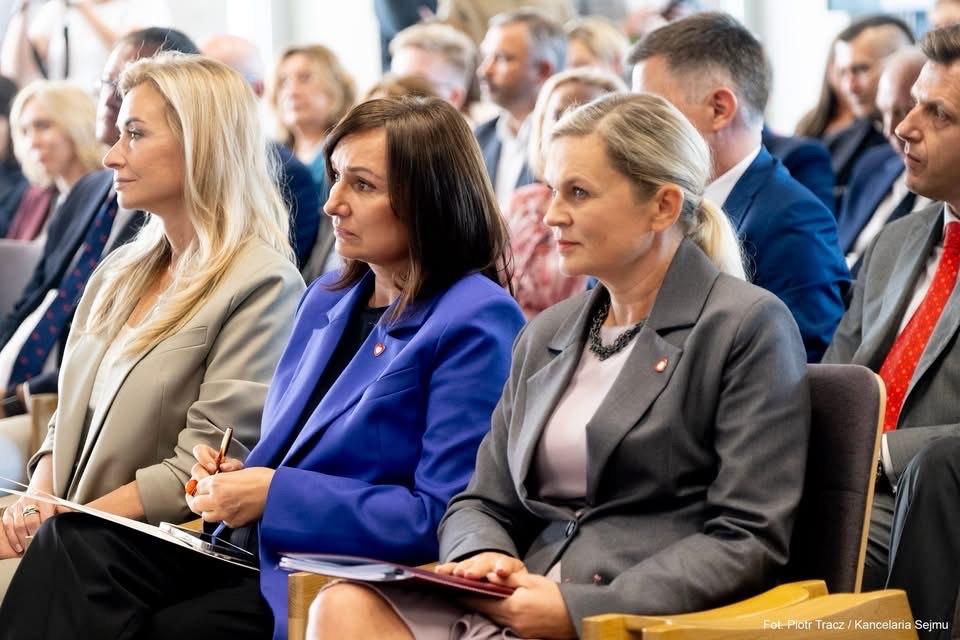
During the conference “Health Education—Benefits for Life,” it was pointed out that health education is not just dry knowledge about diet or physical activity. It also involves the ability to take care of one’s own emotions, relationships, mental health, and body, as well as understanding safe behaviors in everyday life. As experts point out, young people are increasingly turning to social media for answers, which often leads to misinformation and peer pressure. For this reason, it is so important to provide young people with reliable, research-based sources of knowledge and safe tools for coping with challenges.
The conference was held under the honorary patronage of:
- Ministry of National Education
- Ministry of Health
- Ministry of Sport and Tourism
The event was also co-organized by Monika Wielichowska, Deputy Speaker of the Sejm of the Republic of Poland.
Ewa Daros, president of the OliEdu Foundation, participated in the event because non-governmental organizations should actively participate in shaping health and education policies at the national level.
Why is this important to the OliEdu Foundation?
As a foundation, we support young people in the areas of health and education by providing tools that help them make informed decisions about their lifestyle. The conference at the Sejm confirmed several key observations:
Mental and physical health go hand in hand. Building emotional resilience, developing stress management skills, and promoting physical activity have a direct impact on safety and quality of life.
Health education should be an integral part of school curricula, not an afterthought. Shared responsibility—among the state, local governments, schools, parents, and nongovernmental organizations—can effectively support the younger generation.
Reliable health education is an investment in the future. Long-term benefits include a lower risk of violence, greater self-awareness, a greater willingness to seek help in difficult situations, and a reduced likelihood of engaging in risky behaviors.
What’s next? How can we respond to these challenges?
- For example, by supporting practical solutions in schools: developing educational materials that combine knowledge with practice (such as how to conduct classes on mental health, physical activity, and proper nutrition in a way that is engaging and safe for young people).
- Dialogue with policymakers: actively participating in debates and consultations regarding the structure of the core curriculum and methods for implementing the new subject in Polish schools.
- Dialogue with parents and teachers: organizing workshops and educational initiatives that help facilitate conversations about health with young people in everyday school and home settings.
Health education is a shared responsibility. We invite partners, local governments, schools, and parents to collaborate with OliEdu in creating and implementing effective programs that will address the real needs of young people. Together, we can provide young people with the tools to take care of their health—mental, physical, and emotional—for a lifetime.
The conference “Health Education—Lifelong Benefits” held at the Sejm sent an important message to the entire education and health community: the health of young people is a priority, and reliable health education is an investment that pays off in the form of safer, healthier, and more informed young people. We are delighted that our president, Ewa Daros, was able to be part of this important dialogue and that OliEdu actively supports initiatives leading to practical changes in Polish schools.
If you’d like to learn more about our activities and opportunities for collaboration, please feel free to contact us. Together, we’re shaping the future of the younger generation’s health!